The Tailor Who Sewed Futures

In a town where children inherited their futures, every family visited the Tailor.

The Baker brought his daughter.

The Judge brought his sons.

The Fisher brought a boy who hated the sea.

Each family carried a roll of cloth.

The cloth had been woven long before the child was born.

Some rolls were embroidered with professions.

Some with marriages.

Some with houses.

Some with countries the child was never supposed to leave.

The Tailor measured each young person and made the future fit.

When shoulders were too broad, he loosened the cloth.

When dreams stuck out beneath a sleeve, he tucked them inside.

When somebody complained that the garment felt wrong, their family would smile.

“You will grow into it.”

Most did.

Or appeared to.

One became the fourth doctor in her family.

One married the person everyone expected.

One remained in the town because leaving would have broken his mother’s heart.

One inherited a shop he had spent his childhood imagining how to escape.

Their clothes fitted beautifully.

That was what people noticed.

Then a young woman arrived carrying no cloth.

Her parents followed behind her with an enormous roll.

It was magnificent.

There was enough fabric for a respectable career, a large wedding, three children and a house two streets from her parents.

The Tailor began measuring.

The young woman asked what would happen if she did not want the garment.

Her father laughed.

Her mother looked wounded.

The Tailor stopped.

Nobody had ever asked him this while standing on the platform.

“Everyone needs something to wear,” he said.

“That is not what I asked.”

The room became very quiet.

The Tailor looked at the shelves.

For the first time he noticed hundreds of scraps on the floor.

Pieces he had removed to make inherited futures fit actual bodies.

A musician’s sleeve.

A traveller’s pocket.

A lover’s red collar.

A piece of blue cloth from someone who had wanted no children.

A silver square from someone who had wanted five.

The Tailor had always swept these pieces away at closing.

That evening, he did not.

He gave the young woman a needle.

“What should we make instead?”

She did not know.

This frightened her parents more than refusal had.

But the Tailor seemed relieved.

They began without a pattern.

The garment took months.

Some weeks she added something.

Some weeks she removed it.

Once she returned with fabric she had chosen herself.

Eventually the town began talking.

Then another customer arrived without the family cloth.

Then another.

Some still chose the futures their families had brought.

The Tailor continued making those too.

There was nothing wrong with an inherited garment when the person wearing it loved how it fitted.

The difference was that he began asking one question before touching his scissors.

“Is this the future you want me to make?”

Years later, families still brought cloth.

But children brought cloth too.

The floor became messier.

The town became harder to predict.

And the Tailor finally became very good at his job.

Fiction note

This is an original Arise Stories fable. The town, Tailor and events are fictional.

ARISE STORIES · INTERACTIVE

The Inherited Pattern

Not everything inherited needs to be rejected. Not everything inherited needs to be kept. Name three parts of your own pattern.

YOUR PATTERN

CONTINUE THE REFLECTION

Escaping Performed Identity

If you are examining the difference between an inherited role and a chosen life, continue with the Arise Stories guide Escaping Performed Identity.

Explore Escaping Performed Identity

  • I Didn’t Realise How Much of My Peace Included You
  • The Comfort of Someone Doing Absolutely Nothing
  • Why Does Peace Sometimes Feel Sad?
  • I Miss You Even When There Is Nothing to Say
  • I See Your True Colours!
  • When Presence Is Enough
  • Thread of Worthiness
  • LGBTQ+
  • Family
  • Work & Career

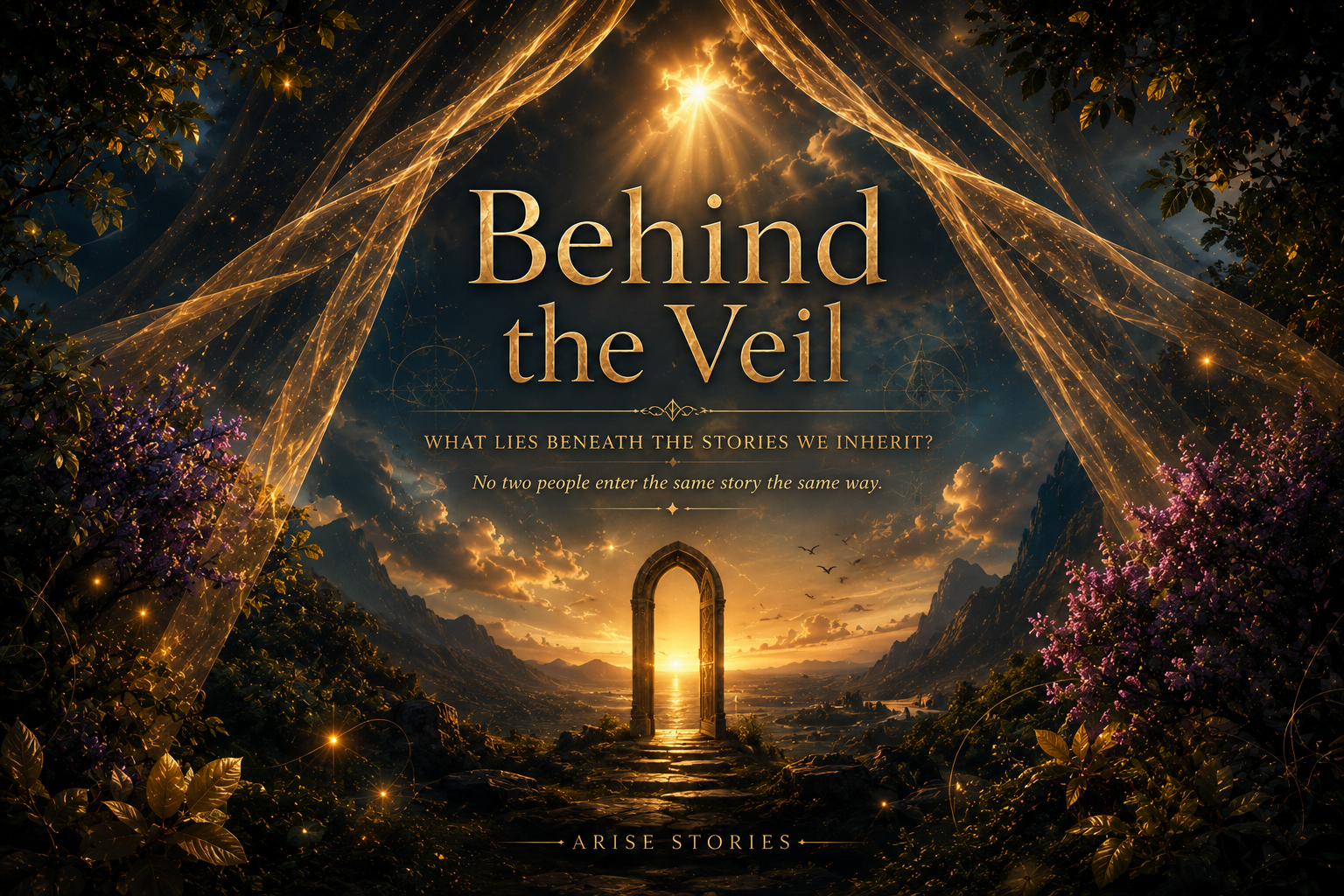
Behind the Veil

What lies beneath the stories we inherit?

No two people enter the same story the same way.

Behind the Veil is an interactive reflection quiz that turns familiar ideas about identity, power, belonging, work, culture, technology, relationships, and modern life into questions worth pausing over. Rather than telling you what to think, it invites you to notice which patterns you already recognise, where your assumptions are challenged, and what may deserve a closer look.

Benefit to you

See the patterns shaping your perspective.

The questions and explanations can help you test what you know, recognise influences that often remain invisible, and build a clearer language for understanding your own identity and the systems around it.

Benefit to others

Bring more awareness into the conversations you share.

Greater awareness can change how we listen, question assumptions, and respond to lives different from our own. What you recognise here may help you approach other people with more curiosity, fairness, and human understanding.

🎲 10 random questions
🧠 1,100 questions
📚 Multiple themes
⭐ Earn your title
Question 1 / 10 Category

Behind the Veil achievement card

Next Step
Share your result:

  • THE OPEN TABS OF WANT

  • WHAT THE INTERNET TAUGHT YOU TO WANT

    WHAT THE INTERNET TAUGHT YOU TO WANT

    Some desires arrive so often that they begin to sound like our own voice. How can we tell discovery from instruction?

  • THE MARKETPLACE INSIDE THE SELF

    THE MARKETPLACE INSIDE THE SELF

    The loudest market may not be outside us. It may be the private exchange where objects become evidence of visibility, progress and worth.

  • Relationship status is a category.

    Relationship status is a category.

    Relationship status is a category, not a diagnosis. Choose the guide that speaks to the question carrying the most gravity in your life now.

  • A LIFE IS NOT A WAITING ROOM

    A LIFE IS NOT A WAITING ROOM

    A person can be single without being unfinished. Yet the world often speaks about partnership as arrival and everything before it as delay.

  • The Seat They Still Keep for the Old You

    The Seat They Still Keep for the Old You

    Sometimes family knows your history so well that it struggles to recognise your present. Growing up can mean asking the people who love you to stop confusing familiarity with ownership.

  • There Are Evenings Nobody Needs Anything From You

    There Are Evenings Nobody Needs Anything From You

    An empty evening can feel like evidence that nobody needs us. It can also become one of the rare places where nothing is asking us to perform.

  • Not Every Friendship Needs to Become More Efficient

    Not Every Friendship Needs to Become More Efficient

    Modern life teaches us to optimise almost everything, including relationships. Friendship may be one of the places where time is still allowed to be spent rather than invested.

  • The Home That Keeps Happening Without You

    The Home That Keeps Happening Without You

    Returning home can reveal something migration hides: the place you left kept living too. Belonging may survive even when neither you nor home remained unchanged.

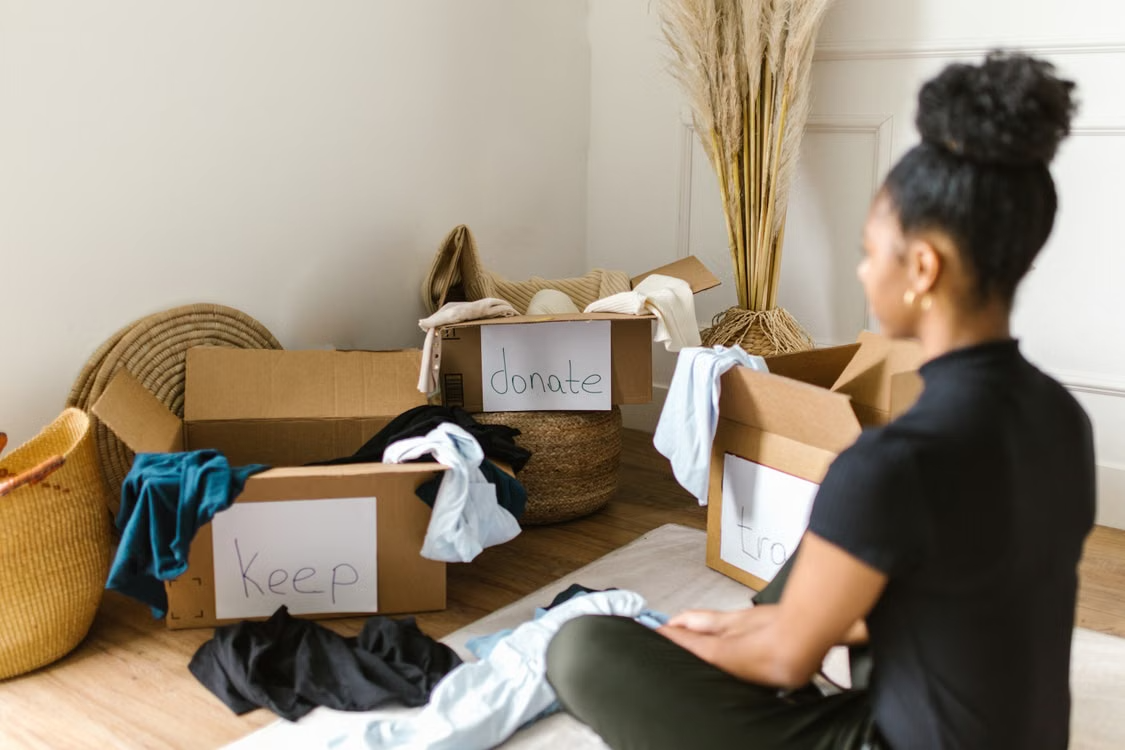
  • The Box Marked KEEP

    The Box Marked KEEP

    Packing looks like a practical decision about possessions. Sometimes it is a private negotiation over which versions of yourself are allowed to come with you.

  • The Places Where You Suddenly Notice Your Class

    The Places Where You Suddenly Notice Your Class

    The Places Where You Suddenly Notice Your Class Sometimes class announces itself through money. Sometimes it arrives through a fork. You enter a restaurant and quietly watch which glass somebody else…