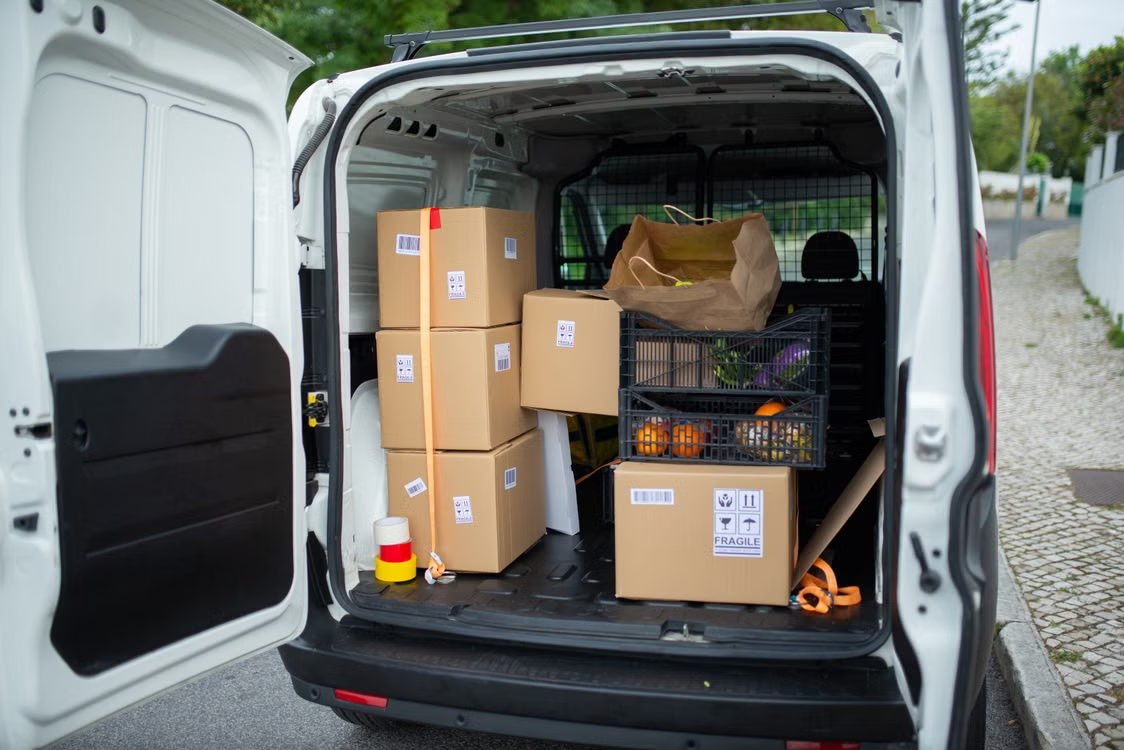
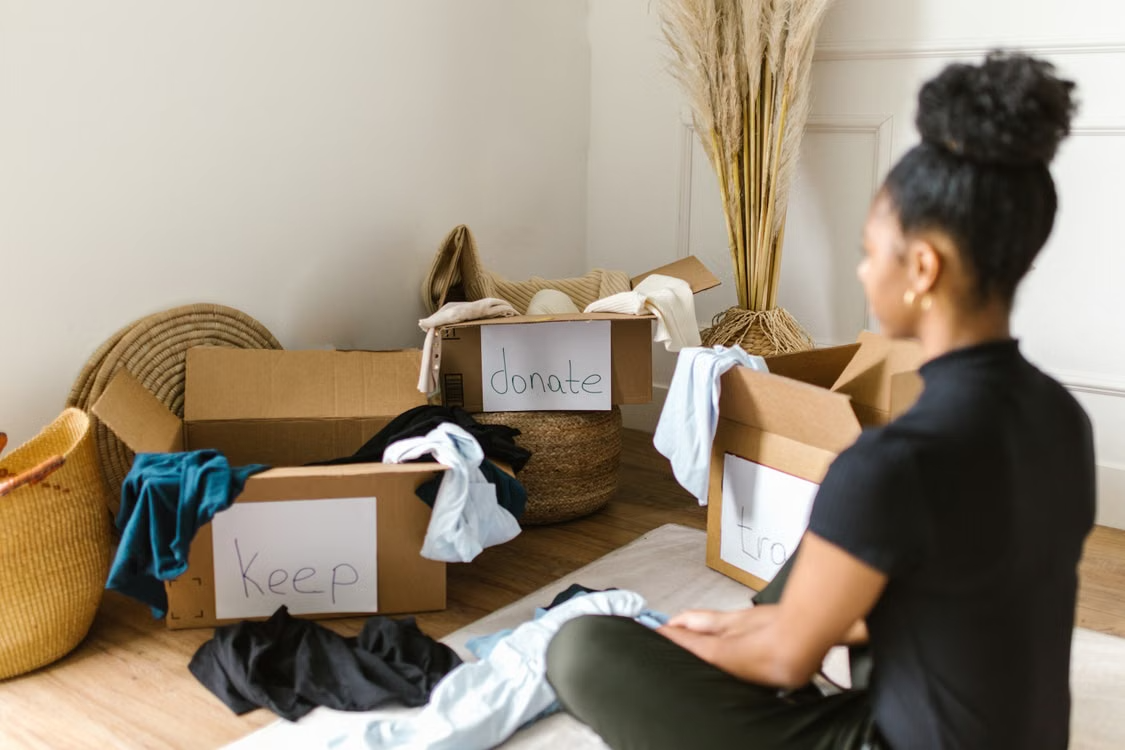
Moving forces a strange democracy upon your possessions.
Eventually, everything has to answer the same question.
Are you coming with me?
The expensive jacket and the chipped mug stand equal before the cardboard box.
So do the university notes you have not opened in twelve years.
The cable belonging to a device you no longer own.
A birthday card from somebody you no longer speak to.
The trousers that might fit again.
A restaurant receipt.
Three keys whose doors you cannot remember.
Migration makes the question sharper because distance can turn ordinary objects into witnesses.
A cup is no longer merely a cup.
It came from the kitchen where your mother drank coffee.
A supermarket loyalty card becomes evidence that you once had routines somewhere else.
A towel can contain a country.
This is why packing can become unexpectedly emotional.
You think you are deciding what deserves luggage space.
Sometimes you are deciding which versions of yourself deserve transportation.
There is the person who bought those books believing they would become someone who read them.
The person who wore that shirt to a first date.
The person who thought the temporary apartment would last six months.
The person who arrived.
The person who left.
The person who still does not know whether leaving was the right decision.
We speak about reinvention as though the new self simply appears once the old environment disappears.
But moving reveals something less tidy.
Identity travels as fragments.
Some are useful.
Some are sentimental.
Some survive only because throwing them away feels suspiciously like declaring that the life attached to them no longer matters.
Perhaps that is why the box marked KEEP deserves another category beside it.
Not DISCARD.
Not DONATE.
Something more difficult.
RELEASE WITHOUT DENYING.
Because an object can matter without needing to accompany you forever.
A place can have been home without remaining home.
A relationship can have shaped you without requiring permanent access to you.
An earlier self can deserve tenderness without being given control of the next room.
Eventually, the boxes arrive somewhere else.
You open them.
Some possessions immediately find their place.
Others look strangely foreign beneath new light.
That may be the quiet truth of reinvention.
We do not discover what belongs to us only when we pack.
Sometimes we discover it after arrival.