The Seat They Still Keep for the Old You

Families can love you deeply and still preserve an outdated version of you.

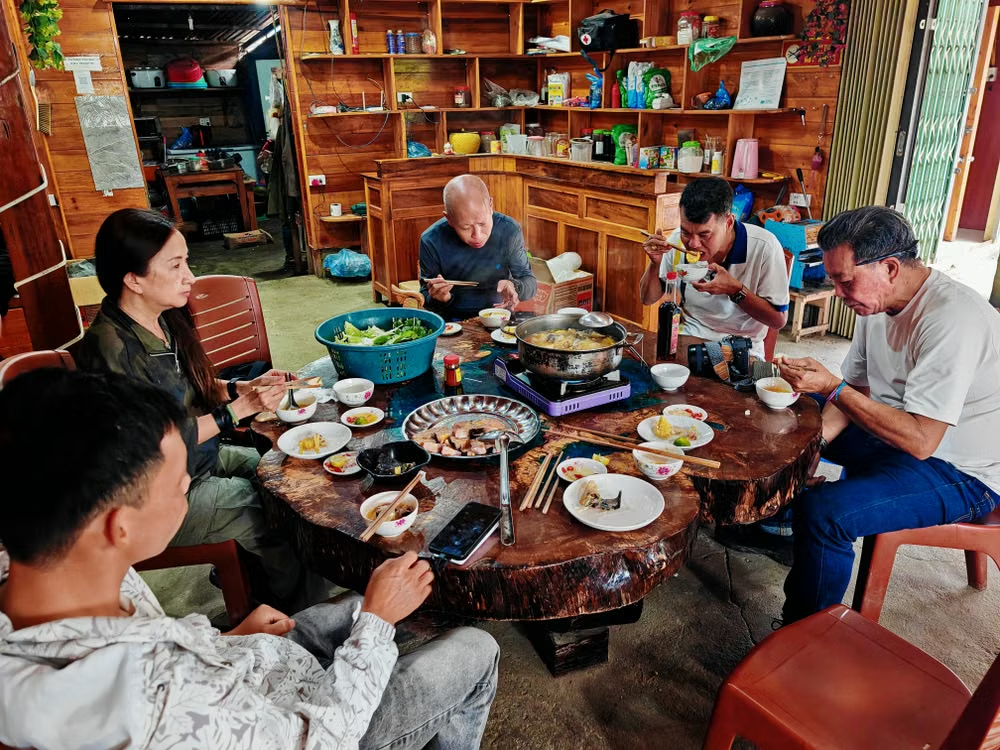
You notice it at the table.

Someone tells the story about what you were like at seventeen.

Everybody laughs.

You laugh too.

Except the person in the story has not existed for years.

Perhaps you were shy.

Perhaps difficult.

Perhaps the responsible one.

The clever one.

The dramatic one.

The child who never caused trouble.

The son who would eventually marry a woman.

The daughter who would remain nearby.

The sibling who could always be relied upon.

The one who did not need help.

Families need continuity.

Shared stories help create it. They tell us that the people around this table have a history that strangers do not possess.

But continuity can quietly become custody.

A role assigned early can survive long after the person occupying it has changed.

You become financially secure, but your family still speaks to you as though you are irresponsible.

You learn boundaries, but they remember when you had none.

You migrate and build an entire adult life somewhere else, yet return home and discover that your old position at the table is waiting.

Sometimes the most difficult changes for a family to absorb are not failures.

They are expansions.

You become more confident.

More independent.

Less religious.

More religious.

You change careers.

You stop wanting children.

You discover your sexuality.

You marry someone nobody imagined.

You become comfortable saying no.

Nothing necessarily dramatic happens.

Nobody rejects you.

But conversation keeps trying to return you to an earlier draft.

There is a particular loneliness in being loved accurately in the past tense.

It does not mean your family is cruel.

They may simply possess more memories of your old self than your new acquaintances do.

You have been living every day of your transformation.

They may have encountered it in chapters.

This is where adulthood asks something difficult from both sides.

The person changing has to accept that recognition can lag behind reality.

The people who love them have to understand that familiarity is not ownership.

Knowing someone’s history does not grant permanent authority over their identity.

Perhaps this is one of the quiet negotiations underneath every long relationship:

Will you allow me to become someone your memories did not predict?

And perhaps love becomes more spacious when its answer is yes.

The old seat can remain.

The stories can remain.

The photographs can remain.

You just do not have to become smaller to fit back into them.

THE FAMILY TABLE

Complete these privately.

My family still thinks I am…

Name the role that follows you into the room.

They may not have noticed that I am now…

Name something true about the person you became.

I no longer need to perform…

What old role could you leave at the table?

People may remember who you were. They do not get to require your return.

Share on Facebook: What old version of yourself are you finally allowed to outgrow?

  • Why Does Peace Sometimes Feel Sad?
  • I Miss You Even When There Is Nothing to Say
  • I See Your True Colours!
  • When Presence Is Enough
  • Thread of Worthiness
  • LGBTQ+
  • Family
  • Work & Career

Behind the Veil

What lies beneath the stories we inherit?

No two people enter the same story the same way.

Behind the Veil is an interactive reflection quiz that turns familiar ideas about identity, power, belonging, work, culture, technology, relationships, and modern life into questions worth pausing over. Rather than telling you what to think, it invites you to notice which patterns you already recognise, where your assumptions are challenged, and what may deserve a closer look.

Benefit to you

See the patterns shaping your perspective.

The questions and explanations can help you test what you know, recognise influences that often remain invisible, and build a clearer language for understanding your own identity and the systems around it.

Benefit to others

Bring more awareness into the conversations you share.

Greater awareness can change how we listen, question assumptions, and respond to lives different from our own. What you recognise here may help you approach other people with more curiosity, fairness, and human understanding.

🎲 10 random questions
🧠 1,100 questions
📚 Multiple themes
⭐ Earn your title
Question 1 / 10 Category

Behind the Veil achievement card

Next Step
Share your result:

  • INHERITED IDENTITIES

  • The Seat They Still Keep for the Old You

    The Seat They Still Keep for the Old You

    Sometimes family knows your history so well that it struggles to recognise your present. Growing up can mean asking the people who love you to stop confusing familiarity with ownership.

  • There Are Evenings Nobody Needs Anything From You

    There Are Evenings Nobody Needs Anything From You

    An empty evening can feel like evidence that nobody needs us. It can also become one of the rare places where nothing is asking us to perform.

  • Not Every Friendship Needs to Become More Efficient

    Not Every Friendship Needs to Become More Efficient

    Modern life teaches us to optimise almost everything, including relationships. Friendship may be one of the places where time is still allowed to be spent rather than invested.

  • The Home That Keeps Happening Without You

    The Home That Keeps Happening Without You

    Returning home can reveal something migration hides: the place you left kept living too. Belonging may survive even when neither you nor home remained unchanged.

  • The Box Marked KEEP

    The Box Marked KEEP

    Packing looks like a practical decision about possessions. Sometimes it is a private negotiation over which versions of yourself are allowed to come with you.

  • The Places Where You Suddenly Notice Your Class

    The Places Where You Suddenly Notice Your Class

    The Places Where You Suddenly Notice Your Class Sometimes class announces itself through money. Sometimes it arrives through a fork. You enter a restaurant and quietly watch which glass somebody else…

  • Who Owns the Hours Nobody Gets Paid For?

    Who Owns the Hours Nobody Gets Paid For?

    Some work becomes invisible precisely because it succeeds. The appointment is remembered, dinner appears, the dishes disappear and somebody keeps noticing what needs to happen next. But whose time is assumed…

  • Nobody Warns You That Friendship Ages Too

    Nobody Warns You That Friendship Ages Too

    Some friends know everything about who we were and surprisingly little about who we are becoming. Perhaps lasting friendship requires more than remembering together. It requires continuing to meet each other.

  • The Things We Buy for the Person We Hope to Become

    The Things We Buy for the Person We Hope to Become

    Sometimes we do not buy an object because we need it. We buy it for the person we imagine becoming once we own it. What changes when purchasing begins to feel…

  • Your Feed Is Learning You While You Are Learning Yourself

    Your Feed Is Learning You While You Are Learning Yourself

    We often talk about algorithms learning our interests. Less often do we ask how repeated recommendations teach us what to believe our interests are.