Your Feed Is Learning You While You Are Learning Yourself

Try something.

Open the social platform you use most.

Do not scroll yet.

Before the first video moves, before the first photograph appears, before you see a headline, predict what the next ten pieces of content will contain.

Fitness?

Politics?

Relationships?

Travel?

Celebrity?

Money?

Animals?

Beauty?

Anger?

Now scroll.

What is interesting is not simply whether you were correct.

It is that you were able to make a prediction at all.

We usually describe recommendation systems as machines learning us.

We click.

We watch.

We pause.

We skip.

The system collects signals and decides what might hold our attention next.

But there is another direction to the relationship.

The system returns a version of our behaviour to us.

Again.

And again.

And again.

Three videos about running can become seven.

An interest in moving abroad can become a feed filled with people leaving their countries.

One relationship video can become an evening of strangers explaining attachment, rejection, dating and heartbreak.

Eventually repetition begins to resemble importance.

This is where the identity question becomes more interesting than the technology question.

Human beings have always learned about themselves through mirrors.

Family tells us what kind of child we are.

School tells us what we are good at.

Friends reveal which version of us receives laughter.

Culture provides categories into which we can place ourselves.

Now another mirror lives in our pockets.

But this mirror does something unusual.

It rearranges what appears next according to what held our attention before.

That does not mean an algorithm decides who you are.

You can ignore recommendations.

You can confuse the system.

You can search deliberately.

You can leave.

Agency remains.

But Identity Sovereignty in an algorithmic world may require a small new question:

Do I keep seeing this because it matters to me, or does it feel as though it matters to me because I keep seeing it?

Those two experiences can look remarkably similar from inside a feed.

ARISE STORIES · INTERACTIVE

The Algorithm Mirror

Imagine this is your feed. Choose what would hold your attention longest. Watch how your choices begin shaping what appears next.

READY TO BEGIN 0% COMPLETE
Step 1 of 3. Choose the card that would hold your attention longest.
YOUR ALGORITHM MIRROR
If repetition can make an interest feel like an identity, what deserves to remain yours before the feed reflects it back?
CONTINUE THE REFLECTION

Arise Stories Questions for the identities we live with.
  • When Presence Is Enough
  • Thread of Worthiness
  • LGBTQ+
  • Family
  • Work & Career

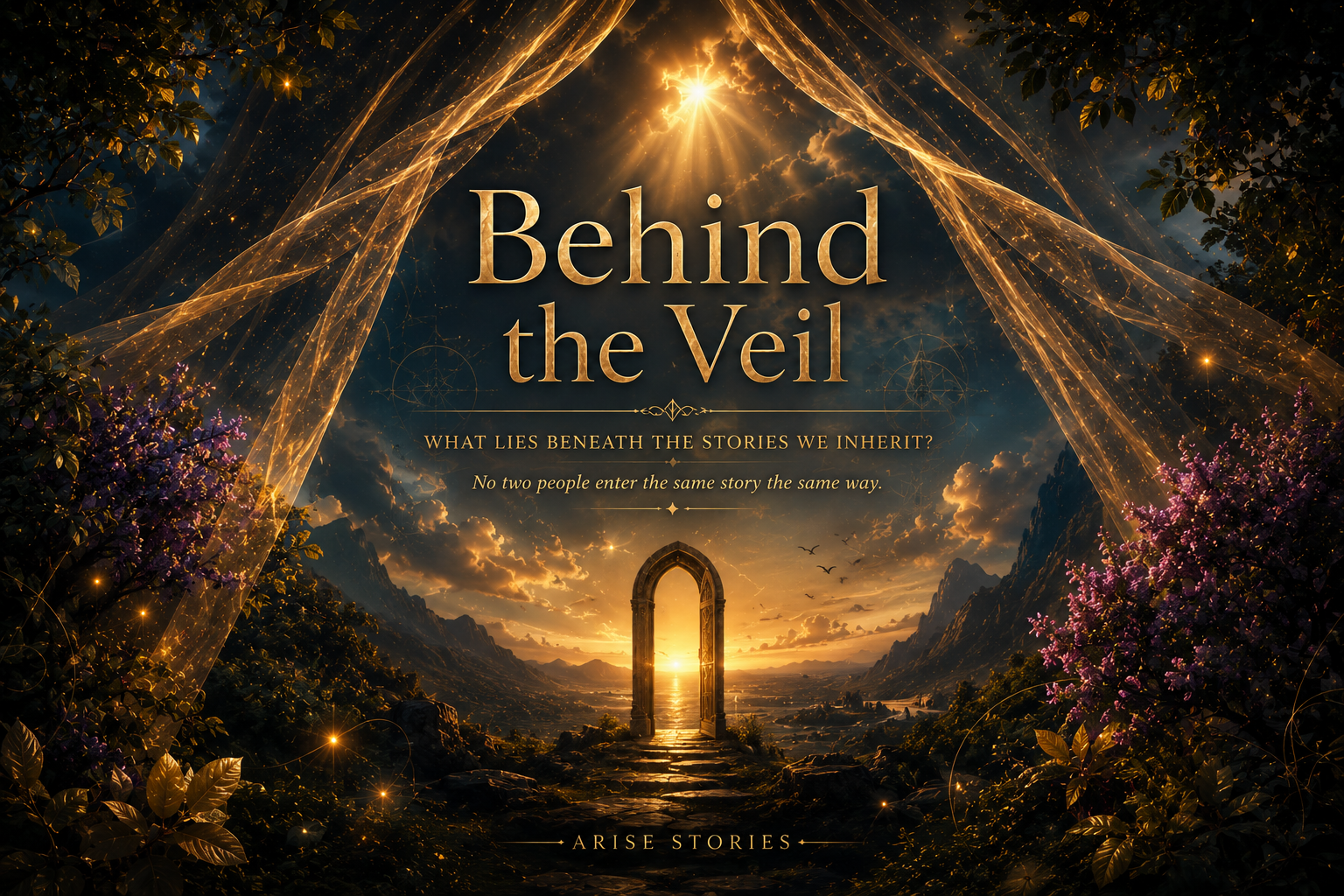
Behind the Veil

What lies beneath the stories we inherit?

No two people enter the same story the same way.

Behind the Veil is an interactive reflection quiz that turns familiar ideas about identity, power, belonging, work, culture, technology, relationships, and modern life into questions worth pausing over. Rather than telling you what to think, it invites you to notice which patterns you already recognise, where your assumptions are challenged, and what may deserve a closer look.

Benefit to you

See the patterns shaping your perspective.

The questions and explanations can help you test what you know, recognise influences that often remain invisible, and build a clearer language for understanding your own identity and the systems around it.

Benefit to others

Bring more awareness into the conversations you share.

Greater awareness can change how we listen, question assumptions, and respond to lives different from our own. What you recognise here may help you approach other people with more curiosity, fairness, and human understanding.

🎲 10 random questions
🧠 1,100 questions
📚 Multiple themes
⭐ Earn your title
Question 1 / 10 Category

Behind the Veil achievement card

Next Step
Share your result:

  • The Biography You Edit Before Entering the Room

  • Not Every Friendship Needs to Become More Efficient

    Not Every Friendship Needs to Become More Efficient

    Modern life teaches us to optimise almost everything, including relationships. Friendship may be one of the places where time is still allowed to be spent rather than invested.

  • The Home That Keeps Happening Without You

    The Home That Keeps Happening Without You

    Returning home can reveal something migration hides: the place you left kept living too. Belonging may survive even when neither you nor home remained unchanged.

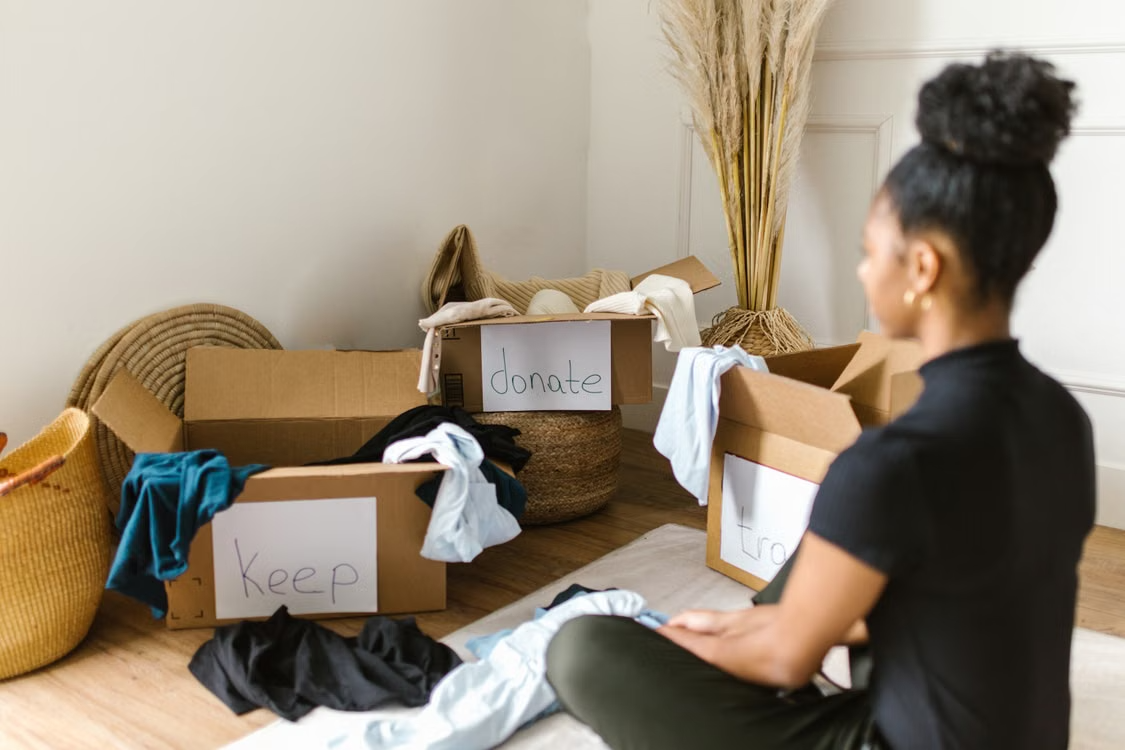
  • The Box Marked KEEP

    The Box Marked KEEP

    Packing looks like a practical decision about possessions. Sometimes it is a private negotiation over which versions of yourself are allowed to come with you.

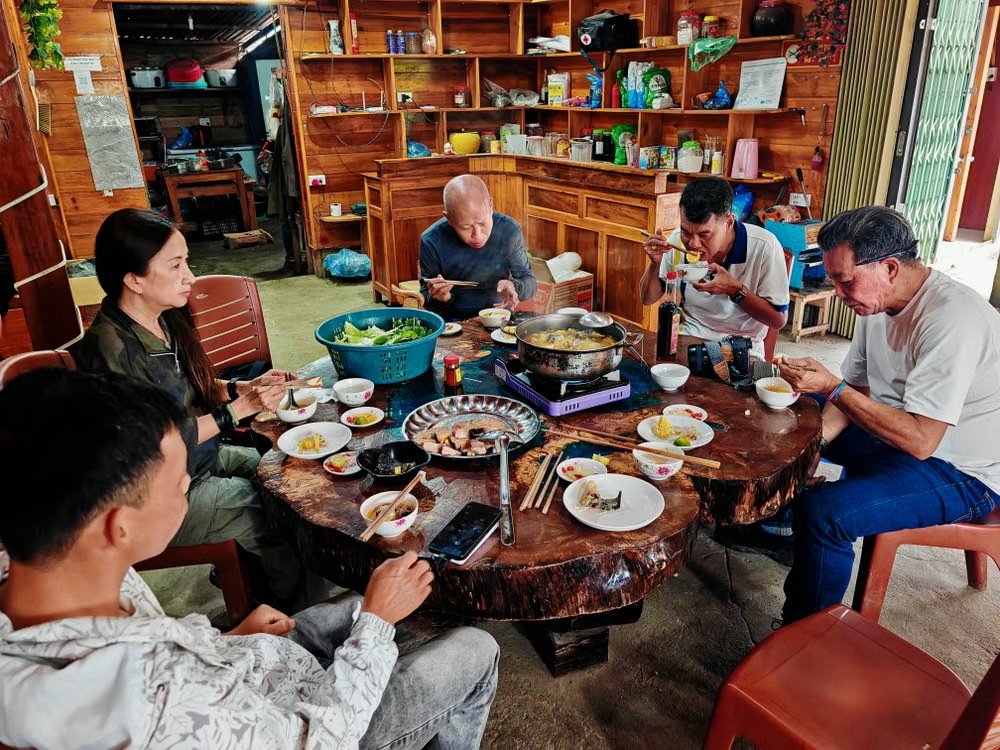
  • The Places Where You Suddenly Notice Your Class

    The Places Where You Suddenly Notice Your Class

    The Places Where You Suddenly Notice Your Class Sometimes class announces itself through money. Sometimes it arrives through a fork. You enter a restaurant and quietly watch which glass somebody else…

  • Who Owns the Hours Nobody Gets Paid For?

    Who Owns the Hours Nobody Gets Paid For?

    Some work becomes invisible precisely because it succeeds. The appointment is remembered, dinner appears, the dishes disappear and somebody keeps noticing what needs to happen next. But whose time is assumed…

  • Nobody Warns You That Friendship Ages Too

    Nobody Warns You That Friendship Ages Too

    Some friends know everything about who we were and surprisingly little about who we are becoming. Perhaps lasting friendship requires more than remembering together. It requires continuing to meet each other.

  • The Things We Buy for the Person We Hope to Become

    The Things We Buy for the Person We Hope to Become

    Sometimes we do not buy an object because we need it. We buy it for the person we imagine becoming once we own it. What changes when purchasing begins to feel…

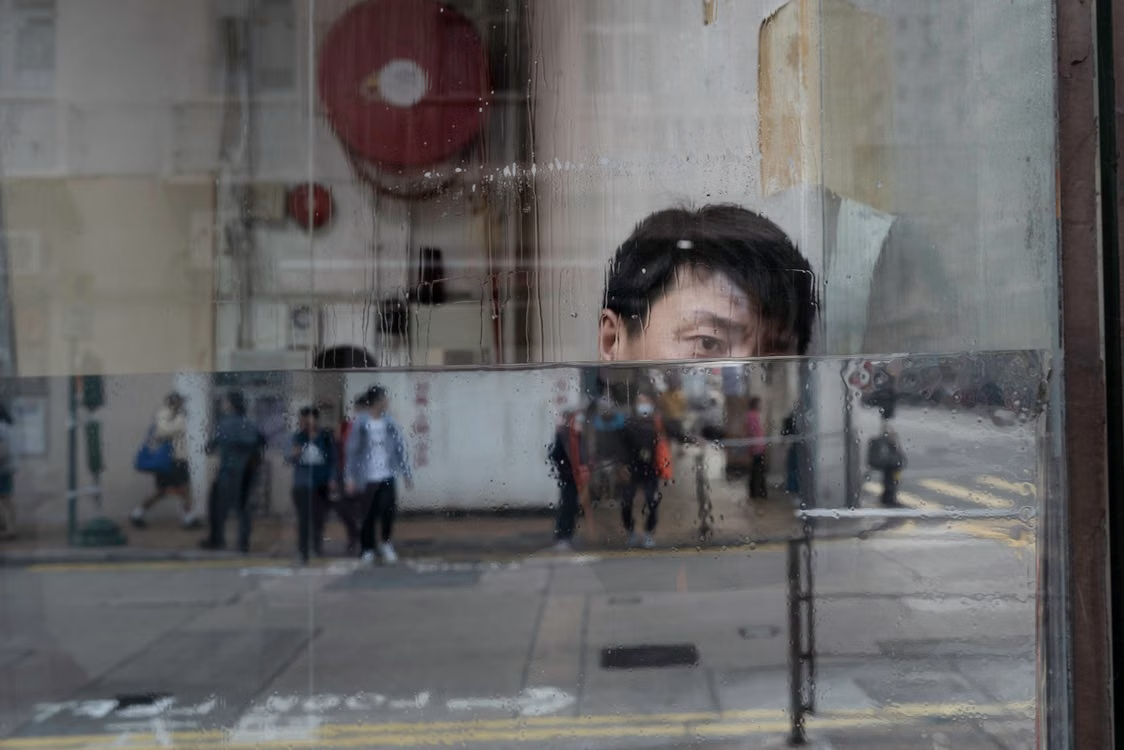
  • Your Feed Is Learning You While You Are Learning Yourself

    Your Feed Is Learning You While You Are Learning Yourself

    We often talk about algorithms learning our interests. Less often do we ask how repeated recommendations teach us what to believe our interests are.

  • One Day Your Home Starts Remembering You

    One Day Your Home Starts Remembering You

    Sometimes letting go of an object means negotiating with a version of ourselves that once needed it. A reflection on aging, home, memory and what remains ours after the physical evidence…

  • You May Not Be Lost

    You May Not Be Lost

    Maybe you never lost yourself. Maybe parts of you simply learned to become quieter. A short reflection on influence, adaptation and the permission we continue waiting for.

Discover more from

Subscribe now to keep reading and get access to the full archive.

Continue reading